
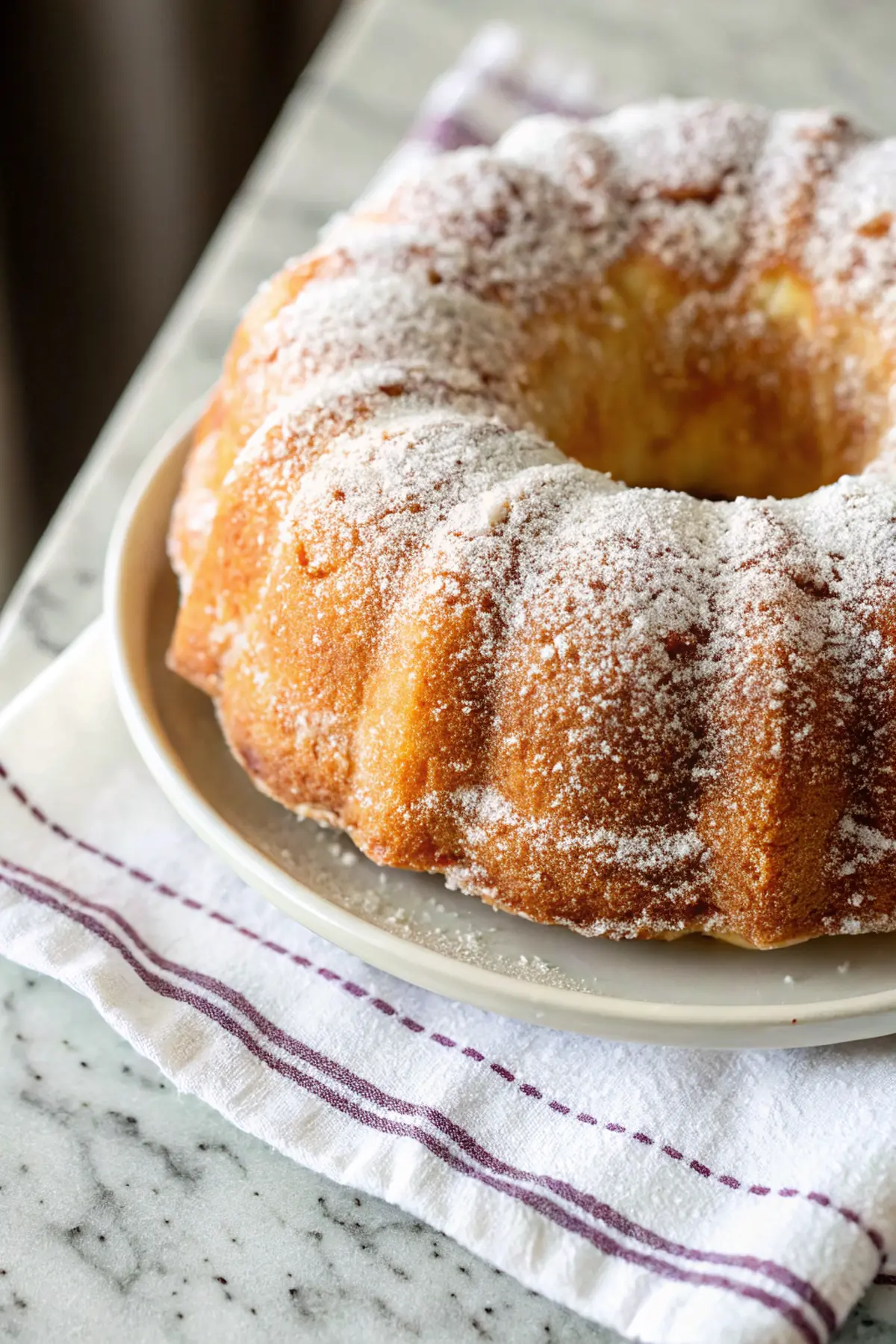
Have you ever found yourself staring at a fridge full of ingredients that are just begging to be used? That was me with some extra butter and eggs today, so I decided to whip up something both comforting and delicious: a Kentucky Butter Cake. It’s one of those recipes that not only fixes the leftover ingredient dilemma but also fills your kitchen with a buttery warmth that makes everything feel right.
Why You’ll Love This Kentucky Butter Cake Recipe
Kentucky Butter Cake is a timeless dessert that has a special place in many hearts. For me, it’s a nostalgic treat that takes me back to family gatherings where dessert was always the star. It’s also a fantastic last-minute choice when you need something sweet but don’t want to fuss around with complicated steps.
What I love most about this cake is that it’s super forgiving and uses simple, everyday ingredients. I’ve made it countless times with my daughter, and her excited little hands often help with the mixing. It’s one of those desserts we return to time and again because it always turns out so wonderfully comforting and moist.
What Makes this Recipe Unique
– **Key Ingredient:** The butter in this cake not only enriches the flavor but is essential for that classic melt-in-your-mouth texture.
– **Method:** The glaze sinks right into the cake, making every bite a burst of sweetness without being overly gooey.
– **Speed:** The layering and mixing process is quick enough that you can have this cake in the oven in no time at all, perfect for those unexpected dessert cravings.
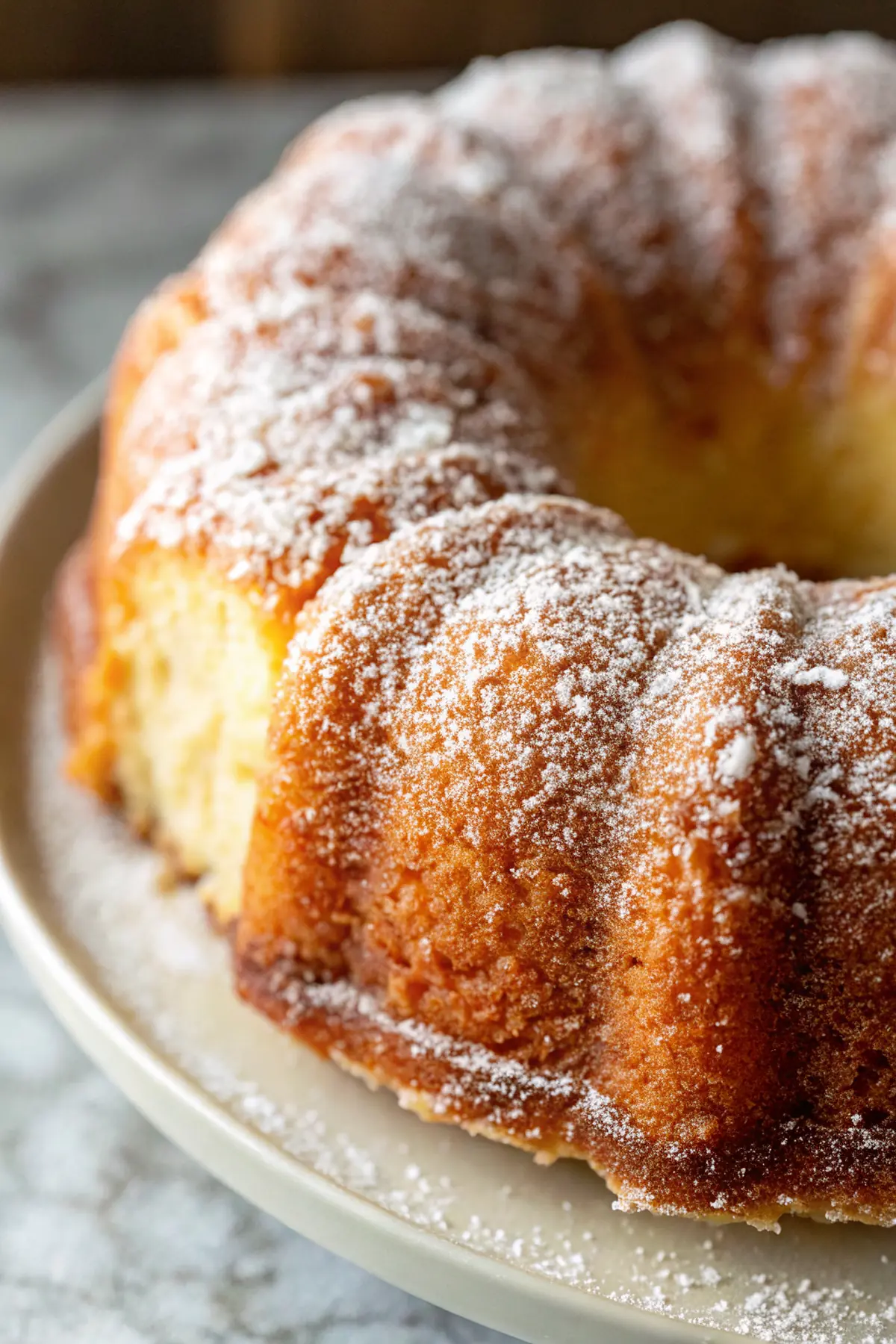
– **Texture Highlight:** The combination of buttermilk creates a soft crumb that pairs perfectly with the warm buttery glaze.
Estimated Macros & Calories
Here’s a quick look at what you can expect from this recipe.
(estimated per serving, without optional ingredients)
- Calories: 420
- Protein: 6g
- Carbohydrates: 56g
- Fat: 20g
- Fiber: 0g
The Most Authentic Kentucky Butter Cake Recipe Recipe
This Kentucky Butter Cake is truly an all-in-one dessert that’s packed with flavor and history. It’s perfect for family dinners or when you just need a little taste of home.
Ingredient Notes
– Unsalted Butter: Using unsalted gives you control over the saltiness of the cake, resulting in a beautifully balanced flavor.
– Granulated Sugar: Essential for not only sweetening but also helping to create that lovely light texture.
– Buttermilk: Don’t skip it! It adds moisture and contributes to the tender crumb that makes this cake so delightful.
– Eggs: These help with structure; make sure they’re at room temperature for better emulsion when mixing.
– Lemon Zest: While optional, I highly recommend it. A little zest adds a lovely bright note that elevates the buttery richness.
Instructions
Step 1: Prepare the Bundt Pan
Start by adjusting the oven rack to the center position and preheating your oven to 325°F (165°C). Generously butter your bundt pan and dust it with flour to ensure an easy release after baking.
Step 2: Cream the Butter and Sugar
In your stand mixer or a large bowl, beat the cubed butter with the sugar until the mixture becomes pale and fluffy. This usually takes about 3 to 4 minutes, and the texture should feel light and airy.
Step 3: Add the Eggs
Next, add the eggs one at a time, giving each one a good mix until well incorporated. Add the vanilla extract and lemon zest, mixing until everything is nicely distributed.
Step 4: Combine Dry Ingredients
In a separate bowl, whisk together your flour, baking powder, baking soda, and kosher salt. Gradually add about one-third of this mixture to your butter mixture, mixing just until combined.
Step 5: Incorporate Buttermilk
Pour half of the buttermilk into your batter and mix on low until blended. Continue incorporating dry ingredients and the remaining buttermilk in stages until everything is well mixed, ensuring not to overdo it.
Step 6: Fill the Bundt Pan
Carefully scrape the batter into your prepared bundt pan and smooth the top with a spatula. Give the pan a gentle tap on the counter to dispel any large air bubbles hidden in the batter.
Step 7: Bake the Cake
Pop the cake into the preheated oven and bake until it’s golden on top and a toothpick comes out with just a few moist crumbs. Remember, rotating the pan halfway through can help it bake evenly if your oven tends to have hotspots.
Step 8: Make the Glaze
While the cake bakes, combine butter, sugar, and water in a small saucepan over low heat. Stir constantly until the butter melts and the sugar dissolves, then remove it from the heat and add vanilla.
Step 9: Poke Holes in the Cake
Once the cake is out of the oven, let it rest in the pan for about 10 minutes. Take a skewer and poke holes across the warm cake to allow the glaze to soak in.
Step 10: Apply the Glaze
Gently pour the warm glaze over the cake still in the pan, letting it soak in before adding more. Reserve any leftover glaze for later.
Step 11: Cool and Serve
Let the cake cool in the pan for about 30 to 40 minutes. Once it’s set, carefully invert it onto a serving plate and allow it to cool completely on a rack. For the best flavor and texture, cover the cake and let it rest overnight before slicing.
Tips and Mistakes to Avoid
– Be sure your butter is at room temperature—this helps create that airy batter that’s so crucial for texture.
– Avoid overmixing after adding the flour; you want it just combined for a light cake.
– When making the glaze, keep the heat low, and do not let it boil; that can change the consistency and sweetness of the glaze.
Storage Tips
You can store this cake at room temperature for a few days in an airtight container. For longer storage, it freezes beautifully; just make sure it’s wrapped well. Reheat slices in the microwave for a warm treat that feels freshly baked.
Variations and Substitutions
If you’re itching for a twist, try adding chocolate chips or chopped nuts into the batter for a delightful surprise. For a gluten-free version, you can swap in a 1:1 gluten-free baking flour, making adjustments as needed to maintain the right texture.
Why This Recipe Is The Real Deal
This Kentucky Butter Cake stands out for its ease and speed, perfect for any last-minute dessert situation. It’s simple enough that my daughter and I can whip it up together, creating sweet memories in our cozy kitchen.
Baking something like this doesn’t have to be time-consuming or complicated. It brings everyone together around the table, and just like that, you’ve made an ordinary evening feel special.
The Bottom Line
I invite you to give this Kentucky Butter Cake a try; it’s truly a delightful addition to any dessert lineup. Don’t forget to share your experiences too!
Billy Mackenzie
Founder of MerryDessert.com
Simple, joyful homemade desserts — sweet moments, made with love.
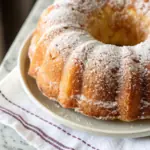
Kentucky Butter Cake Recipe
Ingredients
Cake Batter
- 1 cup unsalted butter, cubed and at room temperature
- 1 3/4 cups granulated sugar
- 4 large eggs
- 1 tbsp vanilla extract
- 2 3/4 cups all-purpose flour
- 1 tsp kosher salt
- 1 tsp baking powder
- 1/2 tsp baking soda
- 1 cup buttermilk, shaken
- 1 tsp fresh lemon zest (about 1 lemon) optional but recommended
Butter Glaze
- 1/3 cup unsalted butter
- 3/4 cup granulated sugar
- 2 tbsp water
- 2 tsp vanilla extract
Instructions
Preparation Steps
- Adjust an oven rack to the center position and preheat the oven to 325°F (165°C). Generously butter a 10-inch bundt pan, then dust it with flour, tapping out any excess. Set the pan aside.
- In the bowl of a stand mixer fitted with the paddle attachment (or using a large bowl and a hand mixer), beat the 1 cup of cubed butter with 1 3/4 cups sugar on medium-high until the mixture is pale and fluffy, about 3 to 4 minutes.
- Add the eggs one at a time, beating briefly after each addition so they incorporate smoothly. Mix in 1 tablespoon vanilla and the lemon zest until evenly distributed.
- In a separate bowl whisk together the flour, baking powder, baking soda, and kosher salt. Scoop about one-third of the dry mix into the creamed butter mixture and blend on low just until combined.
- Pour in half of the buttermilk and mix on low until mixed, then add another third of the dry ingredients. Repeat with the remaining buttermilk and end with the final third of flour, mixing only until the batter is smooth and no streaks of flour remain. Avoid overmixing.
- Scrape the batter into the prepared bundt pan and smooth the top with a spatula. Tap the pan gently on the counter to remove any large air bubbles.
- Bake the cake in the preheated oven for 60 to 70 minutes, or until the top is golden and a thin skewer or toothpick inserted near the center comes out with just a few moist crumbs attached. Rotate the pan halfway through baking if your oven has hot spots.
- While the cake bakes, make the glaze: combine 1/3 cup butter, 3/4 cup sugar and 2 tablespoons water in a small saucepan over low heat. Stir constantly just until the butter melts and the sugar dissolves (do not boil). Remove from heat and stir in 2 teaspoons vanilla.
- As soon as the cake comes out of the oven, let it rest 10 minutes in the pan. Then use a skewer or thin knife to poke holes all over the warm cake so it will absorb the glaze.
- Slowly pour the warm glaze over the cake while it is still in the pan, allowing the liquid to sink in before adding more. Reserve any glaze left in the pan and spoon it over the cake again after it sits for 10 minutes.
- Let the cake cool in the pan for about 30 to 40 minutes to set and absorb the glaze. Carefully invert onto a serving plate and cool completely on a rack. For best texture and melded flavor, cover and rest the cake overnight before slicing.